
"Costa Rican coffee production"
500 article(s) found

Costa Rican coffee the characteristics of Costa Rican coffee
Coffee was introduced into Costarica from Cuba in 1729. Today, its coffee industry is one of the most well-organized industries in the world. Costa Rica, with its fertile volcanic soil and good drainage, is the first country in Central America to grow coffee and bananas for commercial value. Coffee and bananas are the country's main exports. Coffee from Costa Rica

Boutique Coffee Costa Rican Coffee introduces the characteristics of Costa Rican coffee
The particles are full, the acidity is ideal and the aroma is unique and strong. Tarrazu in Costa Rica is one of the major coffee producing areas in the world. The coffee produced is light and pure in flavor and pleasant in aroma. Costa Rica, with its fertile volcanic soil and good drainage, is the first country in Central America to grow coffee and bananas for commercial value. Coffee and bananas are the main food in the country.

Boutique Coffee Costa Rican Coffee introduces the characteristics of Costa Rican coffee
The particles are full, the acidity is ideal and the aroma is unique and strong. Tarrazu in Costa Rica is one of the major coffee producing areas in the world. The coffee produced is light and pure in flavor and pleasant in aroma. Costa Rica, with its fertile volcanic soil and good drainage, is the first country in Central America to grow coffee and bananas for commercial value. Coffee and bananas are the main food in the country.

Characteristics of Costa Rican Coffee beans introduction of Costa Rican coffee beans
The particles are full, the acidity is ideal and the aroma is unique and strong. Tarrazu in Costa Rica is one of the major coffee producing areas in the world. The coffee produced is light and pure in flavor and pleasant in aroma. Costa Rica, with its fertile volcanic soil and good drainage, is the first country in Central America to grow coffee and bananas for commercial value. Coffee and bananas are the main food in the country.

Costa Rican coffee bean characteristics, Costa Rican coffee bean flavor
Following Cafe Review (Wechat official account vdailycom) found that good Cafe opened a small shop of Costa Rican coffee beans. Costa Rican coffee has the characteristics of full particles, ideal acidity and unique strong flavor. The coffee industry in Costa Rica, originally controlled by the Costa Rican Coffee Industry Company (InstitutodelCafdeCostaRica, ICAFE), is now owned by the Costa Rican coffee industry.

Boutique coffee Costa Rican coffee bean producing area Costa Rican coffee manor
The particles are full, the acidity is ideal and the aroma is unique and strong. Tarrazu in Costa Rica is one of the major coffee producing areas in the world. The coffee produced is light and pure in flavor and pleasant in aroma. Costa Rica, with its fertile volcanic soil and good drainage, is the first country in Central America to grow coffee and bananas for commercial value. Coffee and bananas are the main food in the country.

The Origin of Costa Rican Coffee beans introduction to Costa Rican coffee
The particles are full, the acidity is ideal and the aroma is unique and strong. Tarrazu in Costa Rica is one of the major coffee producing areas in the world. The coffee produced is light and pure in flavor and pleasant in aroma. Costa Rica, with its fertile volcanic soil and good drainage, is the first country in Central America to grow coffee and bananas for commercial value. Coffee and bananas are the main food in the country.

Characteristics of Costa Rican coffee beans boutique coffee with Costa Rican flavor
The particles are full, the acidity is ideal and the aroma is unique and strong. Tarrazu in Costa Rica is one of the major coffee producing areas in the world. The coffee produced is light and pure in flavor and pleasant in aroma. Costa Rica, with its fertile volcanic soil and good drainage, is the first country in Central America to grow coffee and bananas for commercial value. Coffee and bananas are the main food in the country.

Costa Rican coffee Costa Rican coffee flavor Costa Rican origin
The coffee beans produced in the high latitudes of Costa Rica are famous in the world, full-bodied, mild in taste, but extremely sour. The coffee beans here have been carefully processed, which is why they have high-quality coffee. Tarasu, located in the south of SanJos, the capital of Costa Rica, is one of the most valued coffee growers in the country. Tarasu (

Costa Rican Coffee House-Diamond Hill Coffee House Costa Rican Coffee House
Costa Rican coffee cultivation was introduced from Cuba in 1779 and exported for the first time in 1820. There are about 32,000 coffee farmers in Costa Rica, with an average cultivation area of less than one hectare (10,000 m2) per farmer. Costa Rica has a population of 4.1 million (2006), coffee cultivation area of 82,500 hectares, annual production of 1.7 million bags (60kgs per bag), annual domestic consumption of 380,000 bags, flat

Boutique Coffee Costa Rican Coffee introduces the characteristics of Costa Rican coffee
The particles are full, the acidity is ideal and the aroma is unique and strong. Tarrazu in Costa Rica is one of the major coffee producing areas in the world. The coffee produced is light and pure in flavor and pleasant in aroma. Costa Rica, with its fertile volcanic soil and good drainage, is the first country in Central America to grow coffee and bananas for commercial value. Coffee and bananas are the main food in the country.

Costa Rican Saint Roman flavor describes which brand of Costa Rican coffee is good.
Professional barista communication please pay attention to the coffee workshop (Wechat official account cafe_style) St. Roman processing plant, the use of water washing treatment, with a strong taste. Coffee cherries are famous for their rich and solid taste. Coffee cherries are hand-selected and overripe or immature cherries are removed by coffee farmers before production treatment. A 3-disc aagaarde peeling machine is used to remove the peel and pulp, and then reuse.

Introduction of Costa Rican coffee beans fine coffee from Costa Rican coffee beans
The particles are full, the acidity is ideal and the aroma is unique and strong. Tarrazu in Costa Rica is one of the major coffee producing areas in the world. The coffee produced is light and pure in flavor and pleasant in aroma. Costa Rica, with its fertile volcanic soil and good drainage, is the first country in Central America to grow coffee and bananas for commercial value. Coffee and bananas are the main food in the country.

Boutique Coffee Costa Rican Coffee beans Origin introduction to Costa Rican coffee beans
The particles are full, the acidity is ideal and the aroma is unique and strong. Tarrazu in Costa Rica is one of the major coffee producing areas in the world. The coffee produced is light and pure in flavor and pleasant in aroma. Costa Rica, with its fertile volcanic soil and good drainage, is the first country in Central America to grow coffee and bananas for commercial value. Coffee and bananas are the main food in the country.

Introduction of Costa Rican coffee beans the characteristics of Costa Rican coffee beans
The particles are full, the acidity is ideal and the aroma is unique and strong. Tarrazu in Costa Rica is one of the major coffee producing areas in the world. The coffee produced is light and pure in flavor and pleasant in aroma. Costa Rica, with its fertile volcanic soil and good drainage, is the first country in Central America to grow coffee and bananas for commercial value. Coffee and bananas are the main food in the country.

The origin of Costa Rican coffee beans the introduction of Costa Rican coffee
The particles are full, the acidity is ideal and the aroma is unique and strong. Tarrazu in Costa Rica is one of the major coffee producing areas in the world. The coffee produced is light and pure in flavor and pleasant in aroma. Costa Rica, with its fertile volcanic soil and good drainage, is the first country in Central America to grow coffee and bananas for commercial value. Coffee and bananas are the main food in the country.
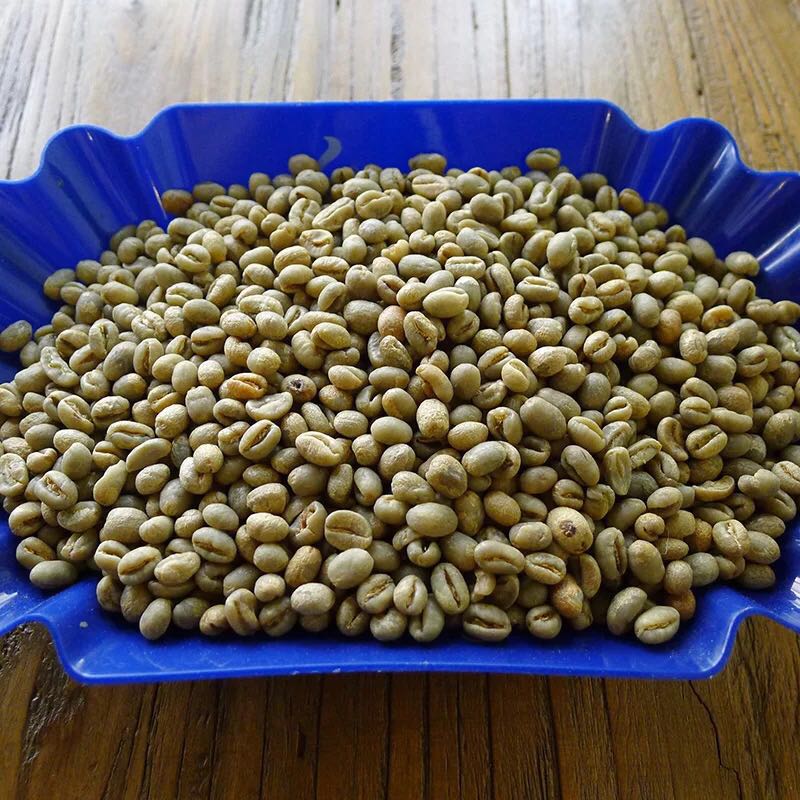
Introduction to Costa Rican coffee beans the flavor of Costa Rican coffee beans
The particles are full, the acidity is ideal and the aroma is unique and strong. Tarrazu in Costa Rica is one of the major coffee producing areas in the world. The coffee produced is light and pure in flavor and pleasant in aroma. Costa Rica, with its fertile volcanic soil and good drainage, is the first country in Central America to grow coffee and bananas for commercial value. Coffee and bananas are the main food in the country.
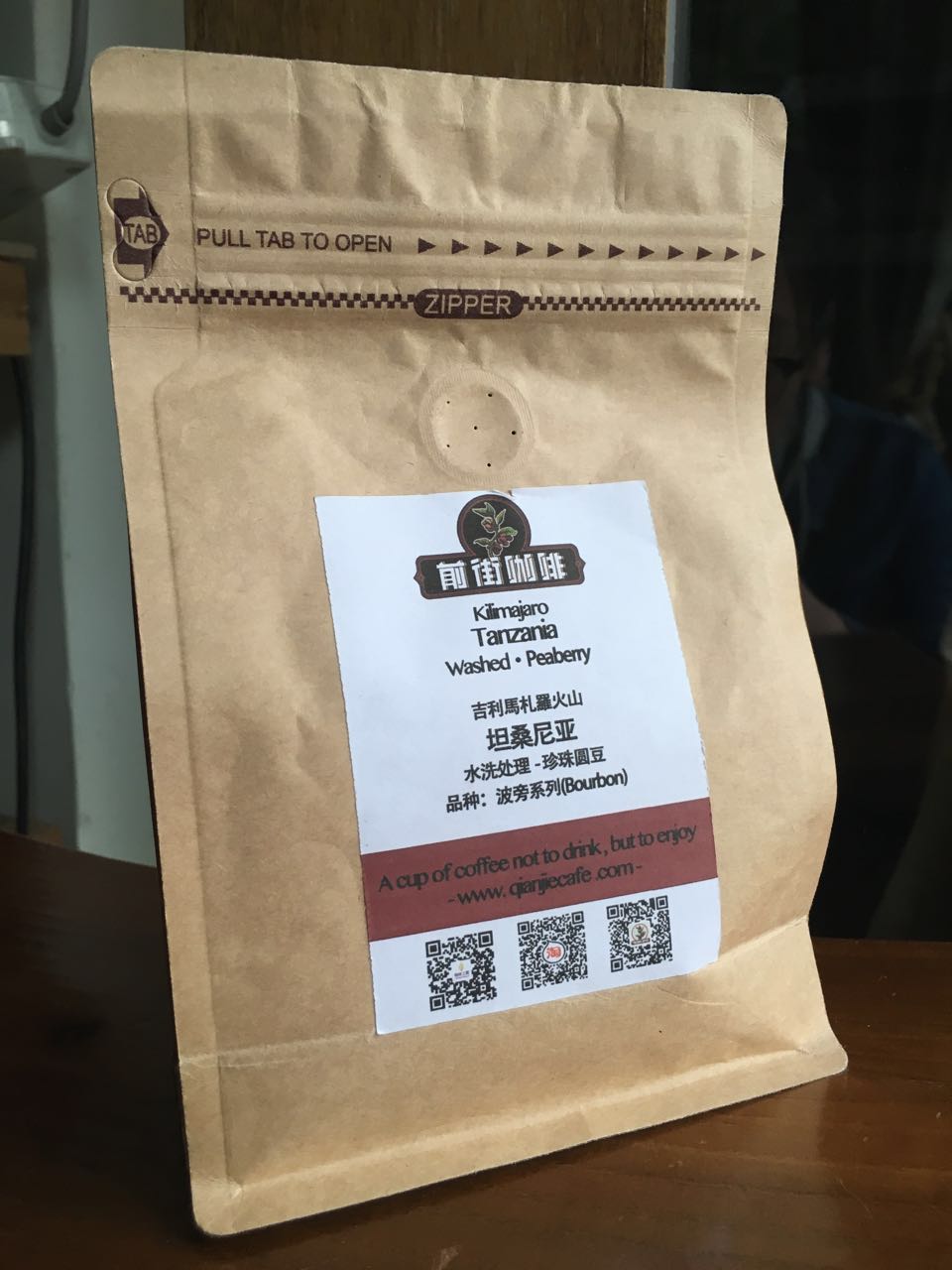
Fine coffee Costa Rican coffee raw bean specification Costa Rican coffee bean quality
The particles are full, the acidity is ideal and the aroma is unique and strong. Tarrazu in Costa Rica is one of the major coffee producing areas in the world. The coffee produced is light and pure in flavor and pleasant in aroma. Costa Rica, with its fertile volcanic soil and good drainage, is the first country in Central America to grow coffee and bananas for commercial value. Coffee and bananas are the main food in the country.

Flavor description of Costa Rican Tarazhu Coffee introduction to the varieties of manor production area
The flavor of Costa Rican Tarazu coffee describes the taste of the manor region. Costa Rican coffee is definitely a boutique that grew up in a superior environment. There are no fluctuations in the economic environment brought about by the war, with the strong support of the government, and there is a climate and altitude suitable for the growth of boutique coffee. Costa Rican SHB grows at an altitude of about 1500 meters above sea level.